




When it comes to maintaining your RAM truck, understanding the different service needs of diesel and gas engines can make a big impact on long-term performance and reliability. From hauling heavy loads to daily commuting, knowing how to properly care for your specific engine type helps ensure durability and efficiency. For drivers in Ennis, TX, this insight is especially valuable as trucks are often used for both work and recreation.
RAM Diesel vs. Gas Engines: What’s the Difference?
RAM offers both diesel and gas engines across its lineup to support a wide range of driving needs. Diesel engines, commonly found in models like the RAM 2500 and RAM 3500, are built for sustained power and superior torque. These engines operate using compression ignition, making them ideal for towing, long-distance hauling, and heavy-duty applications. Gas engines, like those available in the RAM 1500, rely on spark ignition and are typically better suited for lighter towing, smoother highway driving, and everyday use. While both are highly capable, each comes with its own service profile that affects how often and what kind of maintenance is required.
Service Requirements for RAM Diesel Engines
Diesel engines demand specialized attention to ensure their performance remains consistent. Because they operate at higher compression and run hotter, they require specific oil formulations designed to withstand the stress of heavy use. Diesel fuel systems also need more frequent inspection, as even small amounts of contamination can affect fuel injectors and disrupt engine performance. In addition, modern RAM diesel trucks feature advanced emissions systems, such as diesel particulate filters and DEF (Diesel Exhaust Fluid) components, which need periodic servicing to maintain efficiency and meet emissions standards. Staying on top of these maintenance items is essential for owners who rely on their trucks for towing and hauling.
Service Requirements for RAM Gas Engines
Gas-powered RAM engines generally have a lighter maintenance schedule and simpler upkeep compared to diesel engines. Engine oil changes are still crucial, though they typically follow longer intervals. Gas engines also require periodic spark plug replacement, since spark ignition plays a key role in combustion. Proper maintenance of the cooling system is particularly important on gas engines to prevent overheating under load. For most Ennis, TX drivers using their RAM 1500 for daily tasks, commuting, and moderate towing, the maintenance process tends to be more straightforward and cost-effective.
Which RAM Engine Is Right for You?
The decision between diesel and gas ultimately comes down to how you plan to use your truck. If you frequently tow heavy trailers, haul equipment, or cover long distances with sustained load, a diesel engine offers the torque and longevity needed for demanding work. If you prefer a more versatile daily driver with lower routine service costs and quicker start-up power, a gas engine may be the more practical choice. Understanding these differences allows you to get the most value out of your RAM investment.
Expert Service for Both Diesel and Gas RAM Trucks
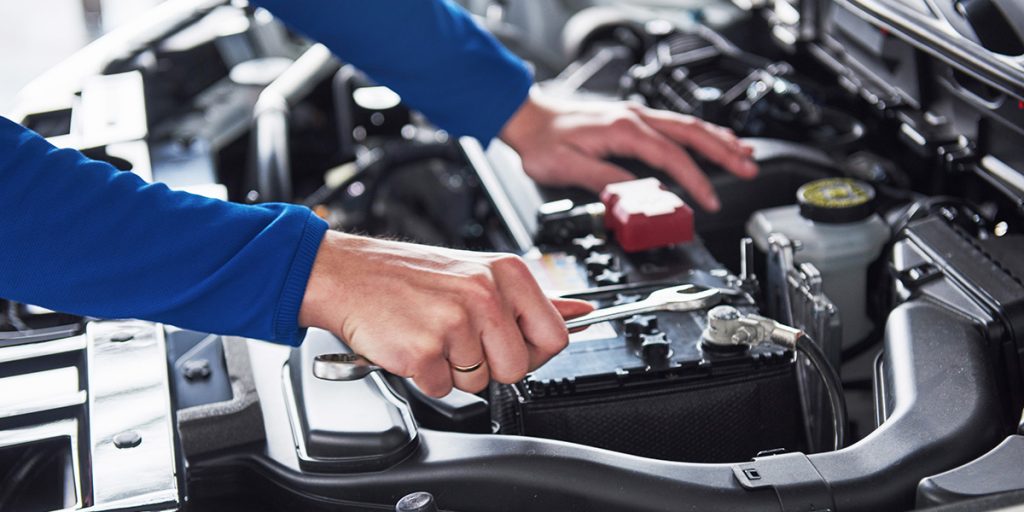
No matter which engine your RAM truck uses, having the right service provider makes all the difference. Pegasus CDJR in Ennis, TX specializes in both diesel and gas engine maintenance, using factory-trained technicians and OEM parts to ensure your vehicle receives the care it was designed for. From fuel system inspections on diesel models to tune-ups on gas engines, the service team here can help keep your truck running at its best. Schedule your service appointment online.
Connect with us


Archives
- 2024
- 2024 Dodge Durango Ennis, TX
- 2024 Jeep Compass Ennis, TX
- 2025
- 2026 Dodge Lineup
- 2026 Dodge vehickes
- 2026 Jeep Grand Cherokee
- 2026 Jeep Grand Wagoneer
- 2026 Jeep Wrangler
- 2026 RAM Interior
- certified pre-owned vehicles
- Chrysler Dealer Ennis, TX
- Chrysler Pacifica
- Chrysler service
- Corsicana Chrysler Dealer
- Corsicana Used Cars
- Dodge Charger
- Dodge Dealer Ennis, TX
- Dodge Durango
- Dodge Hornet
- Dodge service
- Events
- Financing
- HD trucks
- Jeep Compass
- Jeep Dealer Ennis, TX
- Jeep Gladiator
- Jeep Grand Cherokee
- Jeep Grand Wagoneer
- Jeep service
- Jeep Service Essentials
- Jeep Vehicle Service
- Jeep Wagoneer
- Jeep Wrangler
- Leasing
- Military Discount
- Pegasus CDJR Service
- Pegasus Chrysler Dodge Jeep RAM
- pre-owned vehicles in Ennis, TX
- RAM 1500
- RAM 2500
- RAM 3500
- RAM Dealer Ennis, TX
- RAM Interior
- RAM Military Discount
- RAM Parts Texas
- RAM safety features
- RAM Service
- Ram Truck
- summer service essentials
- SUV Dealer
- Trade In Value
- Treats in Trunks
- Uncategorized
- Used Ram Truck
- Used SUV Dealer
- Used SUV Dealer in Ennis, TX
- Used Truck
- used vehicle dealer in Ennis
- used vehicles