



Blog / Jeep service

Blog

All Jeep service Pegasus Chrysler Dodge Jeep RAM RAM Dealer Ennis, TX Jeep Dealer Ennis, TX 2025 Pegasus CDJR Service RAM 2500 RAM 3500 Dodge Dealer Ennis, TX Jeep Wrangler Jeep Gladiator Jeep Grand Cherokee Chrysler Dealer Ennis, TX RAM 1500 Chrysler Pacifica Jeep Compass Jeep Grand Wagoneer 2024 Financing Jeep Wagoneer Leasing Dodge Charger Dodge Durango Dodge Hornet RAM Service 2024 Dodge Durango Ennis, TX 2024 Jeep Compass Ennis, TX 2026 Dodge Lineup 2026 Dodge vehickes 2026 Jeep Grand Cherokee 2026 Jeep Grand Wagoneer 2026 Jeep Wrangler 2026 RAM Interior certified pre-owned vehicles Chrysler service Corsicana Chrysler Dealer Corsicana Used Cars Dodge service Events HD trucks Jeep Service Essentials Jeep Vehicle Service Military Discount pre-owned vehicles in Ennis, TX RAM Interior RAM Military Discount RAM Parts Texas RAM safety features Ram Truck summer service essentials SUV Dealer Trade In Value Treats in Trunks Used Ram Truck Used SUV Dealer Used SUV Dealer in Ennis, TX Used Truck used vehicle dealer in Ennis used vehicles
Friends enjoying a drive together inside a vehicle

How to Prepare Your Vehicle for Summer Heat

Summer in Texas is no joke. Temperatures can climb well above 100 degrees, and that kind of heat puts real stress on your vehicle. Whether you're hauling gear in a Jeep Gladiator or navigating daily commutes in a Grand Cherokee, knowing how to prepare your vehicle for summer heat can mean the difference between a smooth ride and a breakdown on the side of the road when you’re beyond Ennis, Texas. Why Summer Heat Is Hard on Your Vehicle Most drivers think about winterizing their cars, but summer can actually be tougher on mechanical systems. Heat accelerates wear on rubber components, strains your battery, and pushes fluids to their limits. For drivers in Ennis, where summer temperatures can be relentless for months at a time, getting ahead of seasonal maintenance is one of the smartest things you can do. A little preparation goes a long way toward keeping your vehicle running reliably. Check Your Cooling System The cooling system is your engine's first line of defense against overheating. Before the hottest months hit, have your coolant level checked and make sure it's the correct mixture for high-temperature conditions. Also inspect hoses and belts for cracks, soft spots, or signs of wear. These components take a beating in extreme heat and can fail without much warning. CDJR summer maintenance should always start here, since an overheating engine can cause serious and expensive damage in a short amount of time. more Inspect Your Battery Heat is actually harder on batteries than cold weather. High temperatures speed up internal corrosion and can cause the fluid inside the battery to evaporate. Have your battery tested if it's more than 3 years old. Look for corrosion around the terminals and clean them if necessary. A weak battery might get you through spring but give out entirely when summer temperatures peak. Replacing it before it fails is far less stressful than dealing with a dead vehicle in a parking lot on a 105-degree afternoon. Monitor Your Tire Pressure Hot pavement raises tire pressure, and underinflated tires are more prone to blowouts when temperatures are high. Check your tire pressure regularly throughout the summer and keep it at the recommended level listed in your owner's manual or on the driver's door jamb sticker. Also take a close look at your tread depth. Worn tires lose traction faster, especially in the sudden thunderstorms that pop up across North Texas during summer months. Top Off Fluids and Replace Filters Knowing how to prepare your vehicle for summer heat also means paying attention to the fluids your vehicle depends on every day. Engine oil, brake fluid, power steering fluid, and windshield washer fluid should all be checked and topped off as needed. If your engine air filter is clogged, your vehicle has to work harder, which creates more heat internally—and can make it less fuel-efficient which nobody needs. A fresh cabin air filter also helps your air conditioning system do its job better, which matters a lot when you're driving through triple-digit temperatures. Don't Ignore Your Air Conditioning System A functioning air conditioning system isn't just about comfort—it's a safety issue in extreme heat. If your system is blowing warm air or struggling to cool the cabin, have it inspected before summer arrives. Low refrigerant is a common culprit, but worn components can also reduce performance. CDJR summer maintenance packages often include A/C checks, so ask about what's included when you schedule your next service appointment. We’re Here to Help You Get Ready! Taking the time to properly prepare your vehicle for summer heat keeps you safer on the road and helps avoid costly repairs down the line. From your cooling system and battery to tires and air conditioning, each system plays a role in keeping your drive comfortable and reliable. If you're ready to get your vehicle summer-ready, the Pegasus CDJR service team is waiting to help our Ennis, Texas drivers check every box before the heat really sets in.

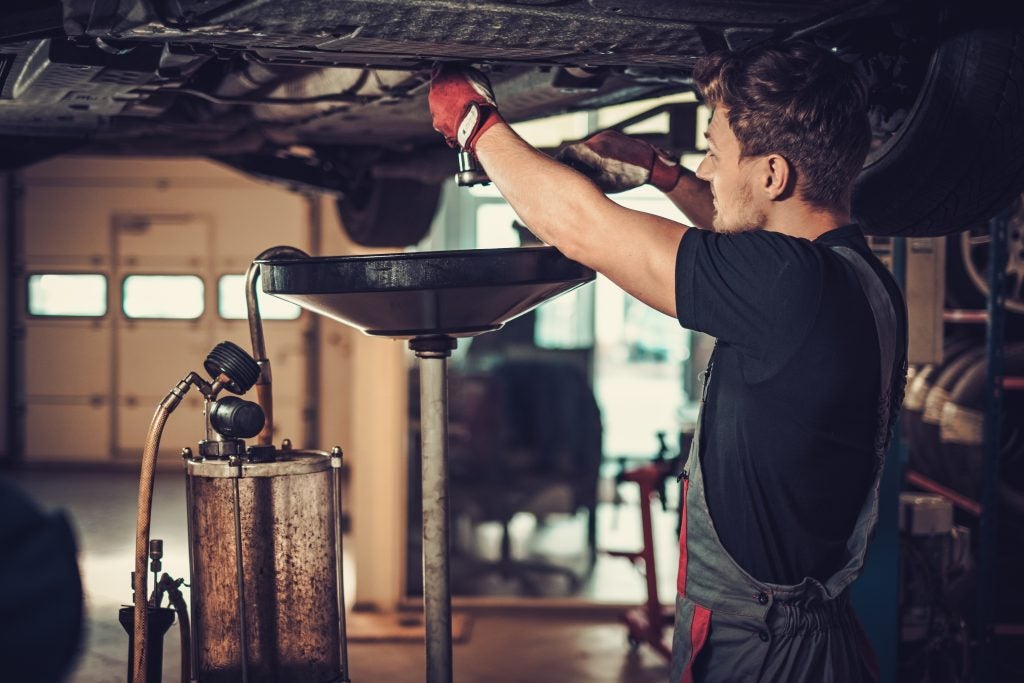
Mechanic working underneath a raised vehicle in an auto repair shop, performing an oil change using a drain pan while wearing protective gloves.

Jeep Service Essentials: How to Protect Your Vehicle's Value in 2026

Owning a Jeep is more than just having a capable vehicle—it's an investment worth protecting. Whether you're driving a rugged Wrangler through backcountry trails or cruising through Ennis, Texas in a Grand Cherokee, staying on top of routine maintenance is one of the most effective ways to hold onto your vehicle's value over time. The good news is that keeping your Jeep in peak condition doesn't have to be complicated. Understanding the basics of Jeep service essentials can save you money on repairs down the road and help your vehicle command a stronger resale value when the time comes. Why Routine Maintenance Is the Foundation of Jeep Service Essentials Jeep vehicles are engineered to handle demanding conditions, but that capability depends on consistent care. Skipping oil changes, ignoring tire rotations, or putting off fluid checks can quietly chip away at your Jeep's performance and long-term worth. Routine service visits allow a qualified technician to catch small issues before they become expensive problems. A well-documented maintenance history also signals to future buyers that the vehicle was properly cared for, which directly supports a stronger resale price. more Oil Changes and Fluid Maintenance Fresh engine oil is one of the simplest and most impactful things you can do for your Jeep. Clean oil reduces friction, prevents buildup, and helps your engine run efficiently. Most Jeep models recommend an oil change every 5,000 to 7,500 miles, though your owner's manual will have the most accurate interval for your specific trim and engine. Beyond engine oil, don't overlook transmission fluid, brake fluid, coolant, and power steering fluid. These systems all rely on clean, properly filled fluids to function safely. Letting any of them fall out of spec can accelerate wear and lead to costly repairs that reduce your vehicle's overall value. Tire Care and Rotation: Protecting Performance and Resale Value Your Jeep's tires are the point of contact between the vehicle and whatever terrain you're navigating, so keeping them in good shape is a key Jeep service essential. Tire rotations, typically recommended every 5,000 to 7,500 miles, help ensure even tread wear across all 4 tires. But if you really put your Jeep to the test on a variety of terrains and in a lot of different conditions, your tires are at extra risk and should be checked more often. Uneven wear not only shortens the life of your tires, but it can also affect handling and fuel efficiency. Keeping tires properly inflated and aligned also plays a role. A Jeep with well-maintained tires simply runs better and looks more appealing to a potential buyer who's doing their homework. Brake Inspections: A Safety-First Service Priority Brake maintenance is one of those Jeep service essentials that affects both safety and long-term vehicle health. Worn brake pads, low brake fluid, or deteriorating rotors can compromise stopping power—and the longer you wait to address them, the more expensive the fix becomes. Most service technicians will inspect your brakes during routine visits, but it's also worth paying attention to warning signs between appointments. Squealing, grinding, or a soft brake pedal are all signals that it's time to bring your Jeep in for a closer look. Air Filter and Cabin Filter Replacements For Jeep owners who spend time off the pavement, air filter maintenance is especially important. Dirt, dust, and debris can clog an engine air filter faster than many drivers realize, reducing airflow and making the engine work harder than it should. Cabin air filters are equally worth monitoring. A clean cabin filter keeps the air inside your Jeep fresh and helps your climate control system operate efficiently. Both filters are relatively affordable to replace and can make a noticeable difference in performance and comfort—both matter when it comes time to sell or trade in. Keeping Service Records: Your Vehicle's Paper Trail Keep your Jeep’s trail challenges to the outside—not your paperwork. (Not my best work, but had to be done.) One of the most overlooked Jeep service essentials is simply keeping organized service records. Every oil change receipt, tire rotation, brake inspection, and fluid service adds up to a documented history that tells the story of how well your Jeep was maintained. Buyers and dealers pay attention to this. A Jeep with a clear maintenance record can often command a higher trade-in value or sell more quickly on the private market. Think of your service records as part of the vehicle itself. They're proof that the investment was taken seriously. Visit Pegasus CDJR for Expert Jeep Service Staying ahead of maintenance is one of the smartest things you can do as a Jeep owner. The Jeep service essentials covered here, from oil changes and tire rotations to brake inspections and filter replacements, all work together to keep your vehicle running strong and holding its value in 2026 and beyond. If you're looking for a trusted service team to help protect your Jeep, the team at Pegasus CDJR is here to help drivers throughout the Ennis, TX area keep their vehicles in top shape. Visit our website to schedule your next service appointment and give your Jeep the care it deserves.

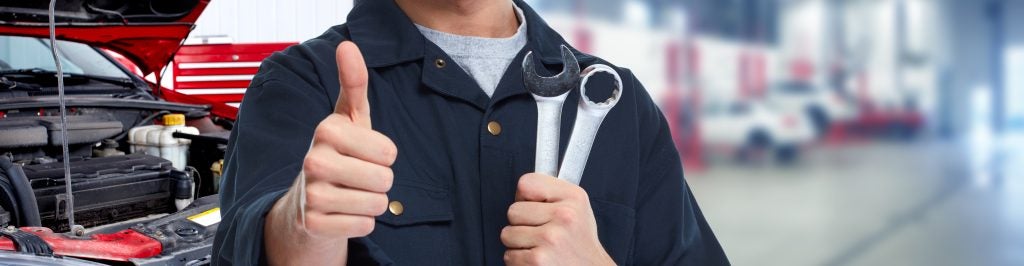
A mechanic giving a thumbs up while holding two wrenches, with a car engine in the background and a blurred workshop setting.

Jeep Differential Service: Why Off-Roaders Need It Every 15000 to 30000 Miles

Understanding the Importance of Jeep Differential Service at Pegasus CDJR Owners of Jeep vehicles in Ennis, TX, should visit Pegasus CDJR for regular maintenance. Differential service is a necessary part of vehicle upkeep, and it ensures that the drivetrain functions correctly during operation. 1 common schedule for this service is every 15000 to 30000 miles. The differential transfers power from the engine to the wheels, and this process provides traction on different types of terrain. Regular maintenance prevents mechanical wear and helps the vehicle remain functional for a long time. The Mechanical Function of the Differential The differential is a mechanical component that allows the wheels to rotate at different speeds, and this function is necessary when the vehicle is turning on uneven surfaces. For vehicles that travel off the road, the differential is important for moving across rocky or muddy paths. If the differential does not function correctly, the vehicle may experience uneven tire wear or drivetrain failure. Models like the Jeep Wrangler and Jeep Gladiator are built for rugged use, and maintaining the differential is a requirement for safety and reliability. more Factors That Increase Service Frequency for Off-Road Vehicles Driving off the road puts more stress on the differential because the traction and load change constantly. Water, mud, and dirt can enter the differential housing, and these materials contaminate the gear oil. When the gear oil is dirty, it is less effective at protecting the metal parts. Regular service ensures that the gear oil is clean and stays at the correct level, which reduces heat and friction. For people who drive on difficult trails, a service interval of 15000 miles is a standard recommendation to avoid mechanical damage. Steps Performed During a Differential Service During a standard service appointment at Pegasus CDJR in Ennis, TX, a technician performs specific tasks. The technician drains the old gear oil from the housing and inspects the internal gears for signs of damage. Fresh gear oil that meets the factory specifications is then added to the system. This service helps the drivetrain components last longer, and it allows the technician to find small problems before they require expensive repairs. Technical Specifications and Trim Levels Jeep vehicles have specific parts that require different types of care. The Jeep Wrangler is available in the Sport base trim, the Sahara mid-level trim, and the Rubicon top-tier trim. The 2.0 L engine produces 270 hp and 295 lb-ft of torque, while the 3.6 L engine produces 285 hp and 260 lb-ft of torque. The Wrangler 4xe plug-in hybrid produces 375 hp and 470 lb-ft of torque, and it has an electric battery range of 21 miles. These models feature 12.3" touchscreens and include Apple CarPlay© and Android Auto© compatibility. Wheel sizes for these models include 17", 18", or 20" options. The Jeep Gladiator is available in Sport, Overland, and Mojave trims and uses the 3.6 L engine. Signs of Differential Wear A driver should look for specific signs that indicate the differential needs service. Unusual sounds such as grinding or whining may come from the front or rear axle during operation. Fluid leaks near the differential housing or a burning smell can also indicate that the gear oil is failing. If the vehicle is difficult to turn or has poor handling, the differential might be damaged. Addressing these issues quickly prevents more damage to the vehicle. Schedule Your Jeep Differential Service Today The service department at Pegasus CDJR in Ennis, TX, employs certified technicians who understand Jeep maintenance. You can schedule an appointment for differential service by visiting the website for Pegasus CDJR or by calling the service office. Conclusion If a driver is traveling on trails or driving through Ennis, TX, regular differential service every 15000 to 30000 miles is a standard requirement. Maintaining the gear oil and inspecting the drivetrain components at Pegasus CDJR ensures the vehicle operates according to manufacturer standards. Proper maintenance allows the vehicle to remain reliable for many miles of use.

Contact Us

Fill out this form below and we'll contact you shortly
*Required Fields
  Click to Call